

The Himalayan Griffon Vulture (Gyps himalayensis) is an important scavenger of the Himalaya. Soaring effortlessly over the ridges and valleys, often in groups using rising thermals, these large vultures play a vital role in mountain ecosystems, rapidly consuming animal carcasses and helping to prevent the spread of disease.
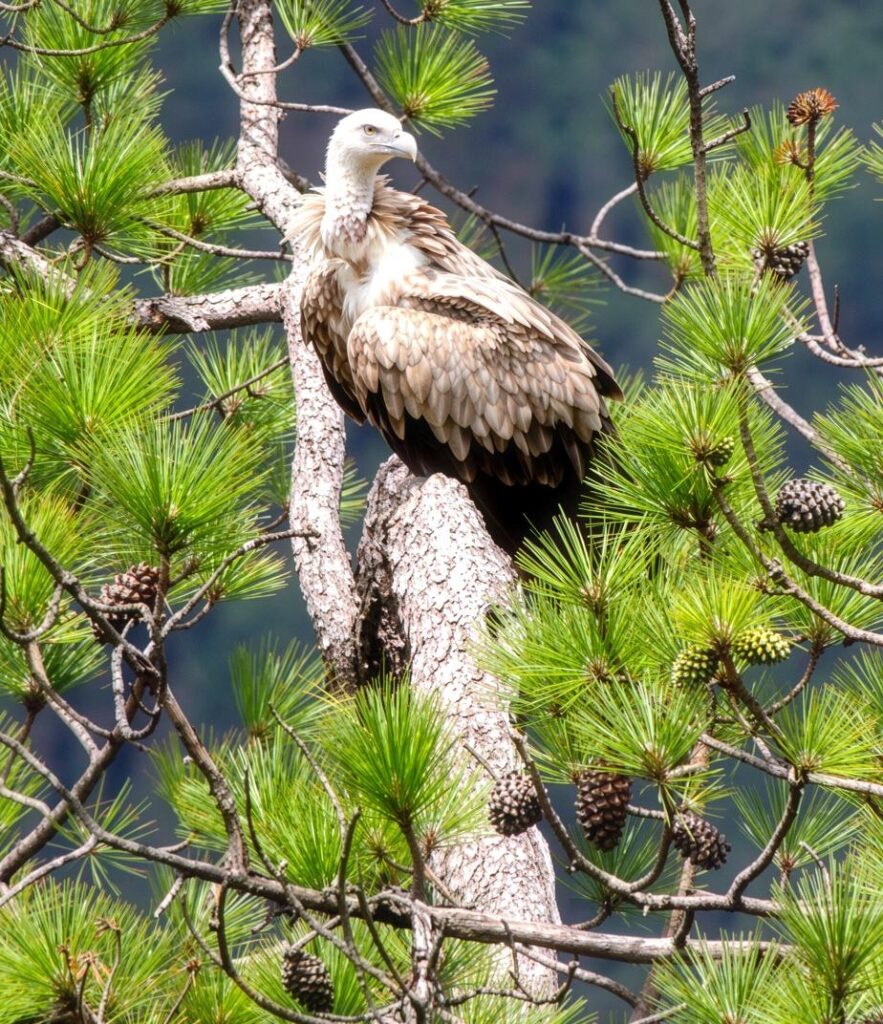
The Himalayan Griffon Vulture is a high-altitude species distributed widely across the Hindu Kush Himalaya, the Karakoram and the Tibetan plateau. Most commonly found at elevations between 1,200 and 5,500 meters, it may reach elevations of 6,000 meters. During winter, some populations descend to the Himalayan foothills where food is available easier and weather conditions are less severe. This seasonal movement makes the species visible in areas outside its typical high-altitude range during the colder months.
They are associated with open slopes, cliffs and high-altitude landscapes, but their movements also bring them into villages and pastoral areas where livestock carcasses provide food. Their presence is an indicator of the ecological health of these landscapes, while changes in livestock practices, food availability, disturbance and the wider pressures on Himalayan ecosystems can affect their populations.
The IUCN lists it as Near Threatened (NT). Its populations face pressures from declining food availability, poisoning, habitat changes and disturbance. Vultures in South Asia have been particularly vulnerable to veterinary drugs such as diclofenac. The Himalayan Griffon is therefore a species of conservation concern, even though it is not presently in the Endangered category.
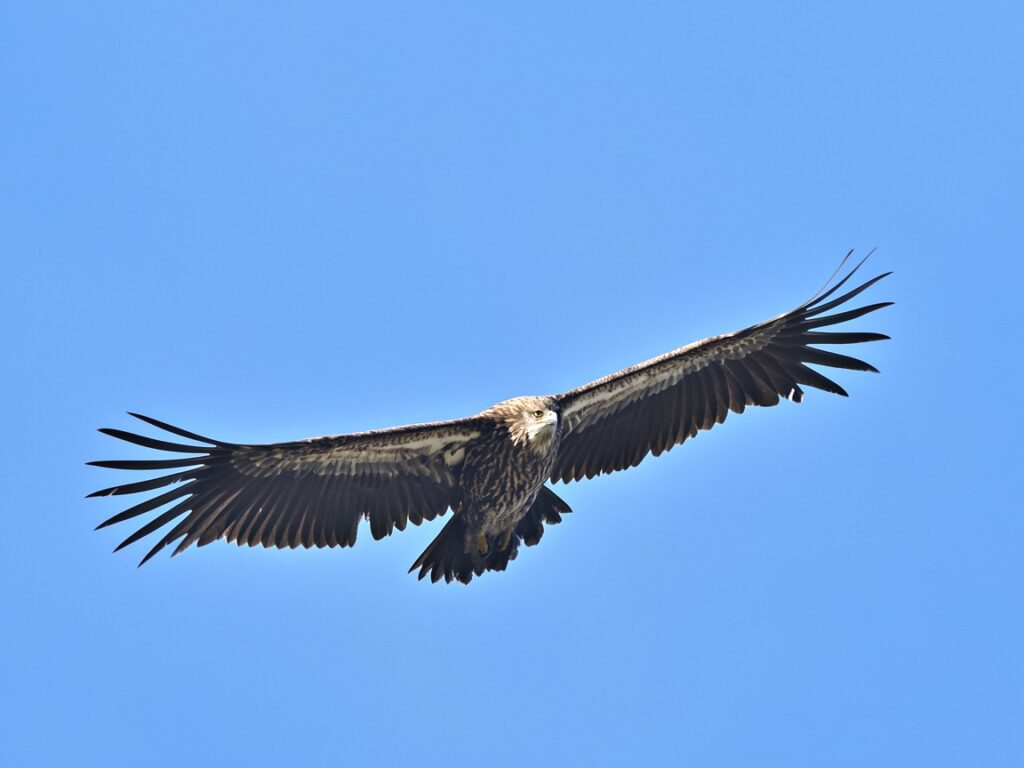
There is something both majestic and awe-inspiring about sightings of the Himalayan griffon vulture, among the ‘old world vultures’. It is the largest of the Gyps species, and is perhaps the largest and heaviest bird in the Himalayas, rangins from 6 kg to 12.5 kg. It is a symbol of the wild, untamed expanses of the Himalayan region. Its survival is not only crucial for maintaining ecological balance but also for preserving the natural heritage of the mountains.