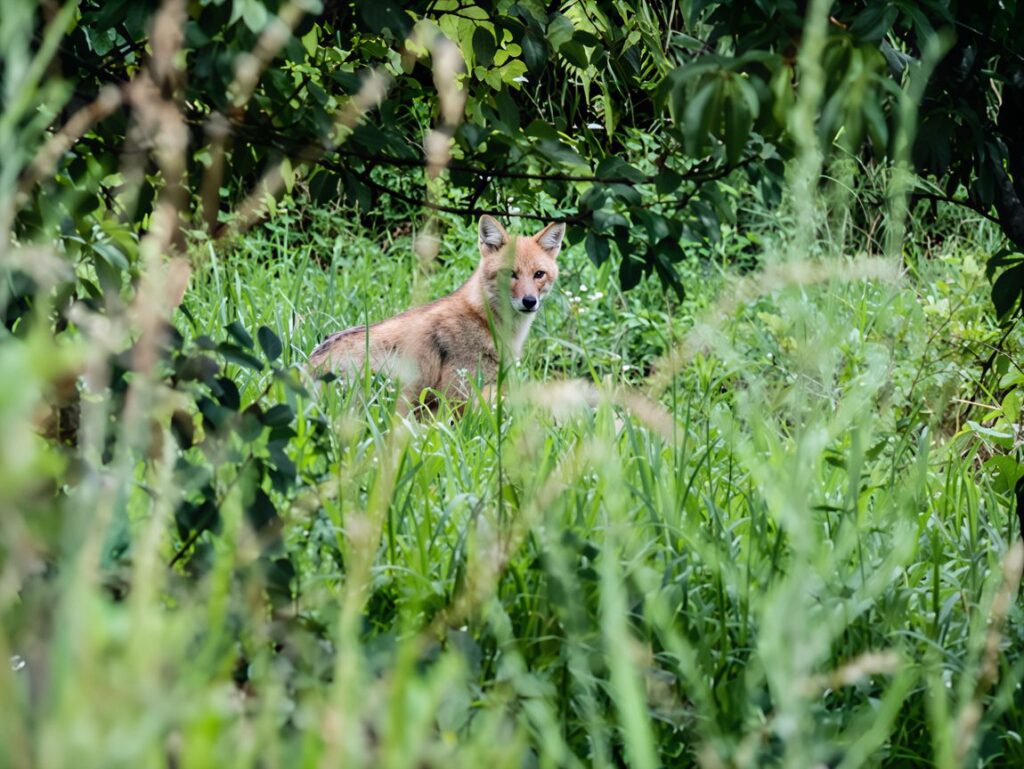
When we settled in the hills 16 years ago, wildlife reigned and therefore moved with dignity and grace. This was long before the post-COVID construction boom began. A golden jackal family would bask in the winter sun in the adjacent field while we sat on our two-foot-high stone boundary wall watching them. We became quite comfortable with each other’s presence. Sadly, the land where they had their secure den was purchased and constructed upon and the family has not been seen since.
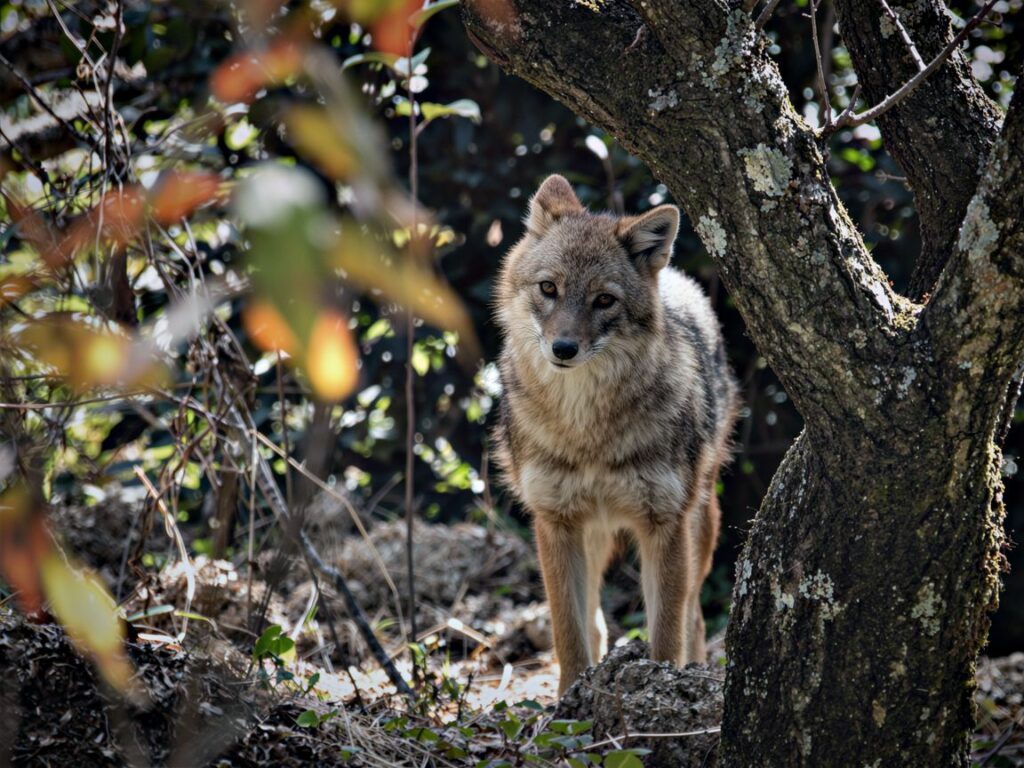
Golden jackals operate in monogamous pairs rather than large packs and serve an important ecological role as scavengers. In Uttarakhand, a jackal is most commonly called Syaar (स्यार) or Syaav (स्याव).
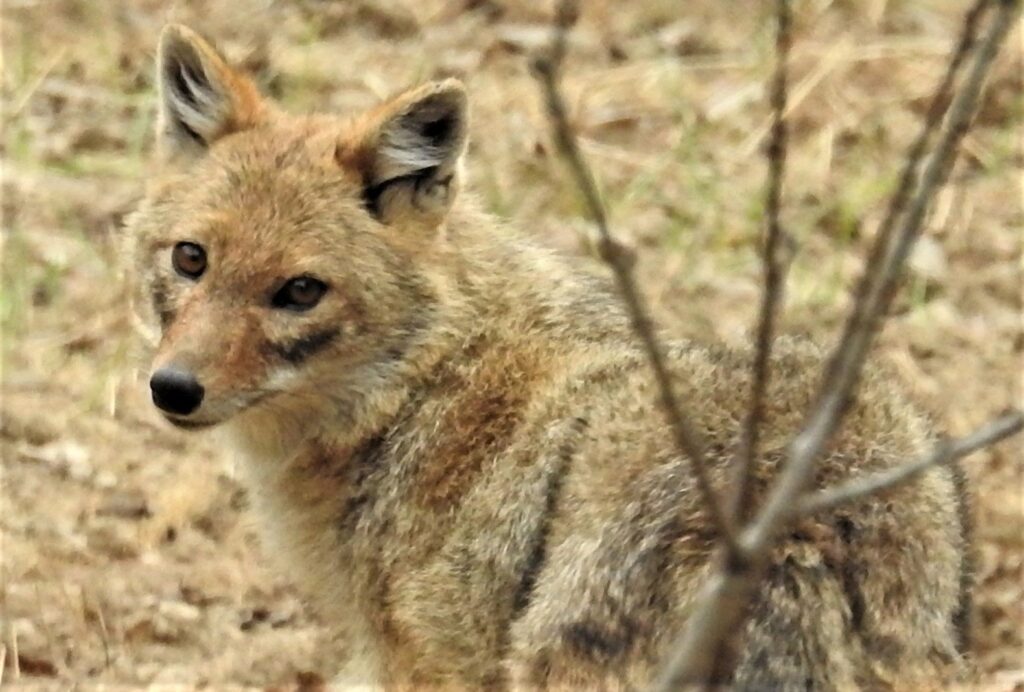
Across India’s rural heartlands, from the misty slopes of the Himalaya to the plains of the countrty the piercing, high-pitched cry of a jackal at twilight carries a chilling weight. In many village traditions, these sharp echoes are seen as unsettling omens. A sudden shift in a jackal’s usual call, or a lonely howl cutting through the midnight silence, is widely feared as a warning of looming misfortune, impending danger, or the restless spirits walking the dark.
But for us, they were just friendly neighbours,as were the other wildlife that surrounded us. Barring the leopards, which were treated with the respect they commanded.